
What Is Agriculture
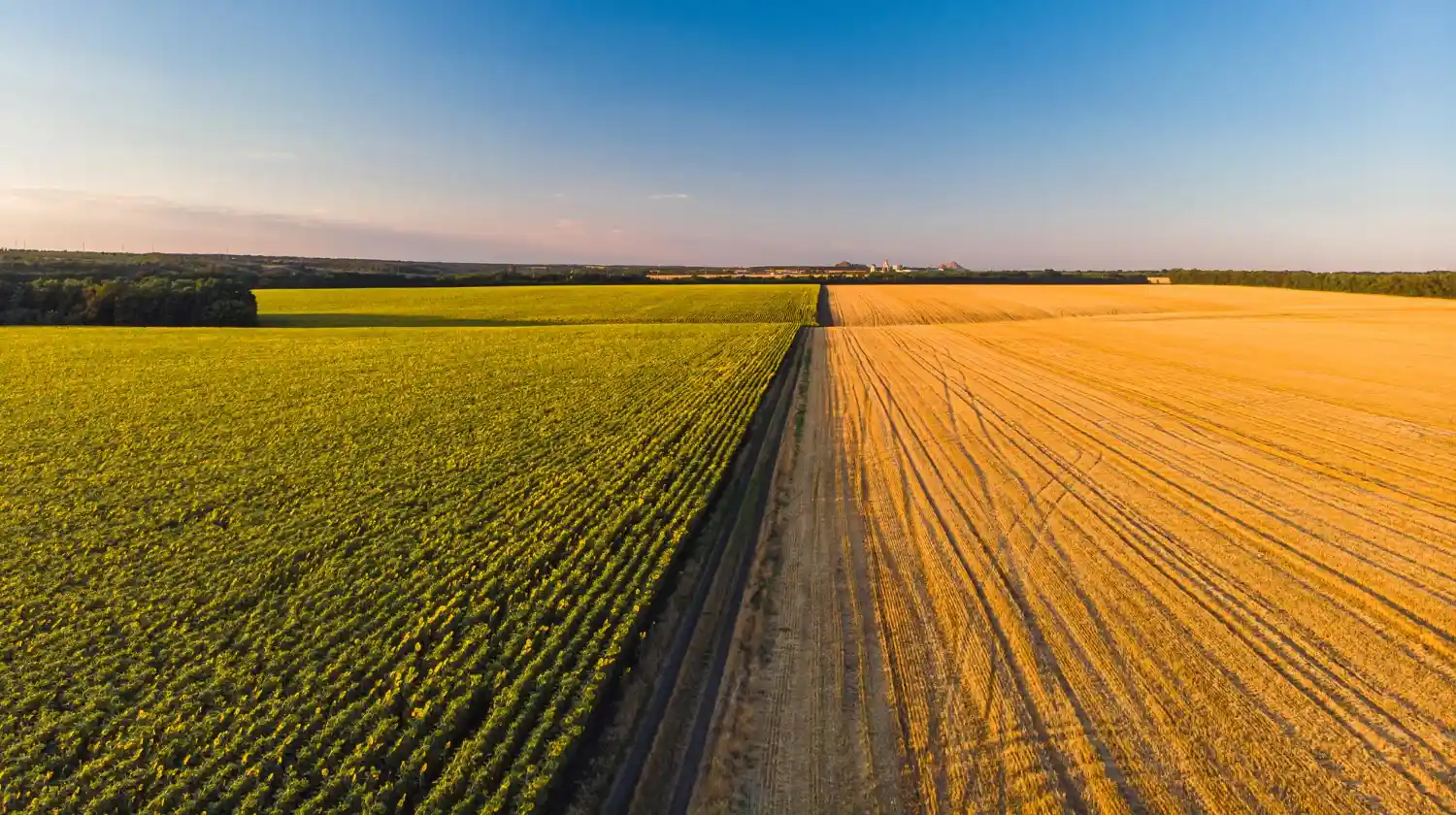
You might wonder what is agriculture and how it shapes human existence daily. People define it as the science and practice of cultivating plants and raising livestock. Farmers work hard every season to produce the food, fiber, and fuel you need to survive.
The Core Branches Of Farming
Modern farming relies on several main disciplines to function efficiently. You can divide these everyday practices into three primary categories.
Crop Cultivation
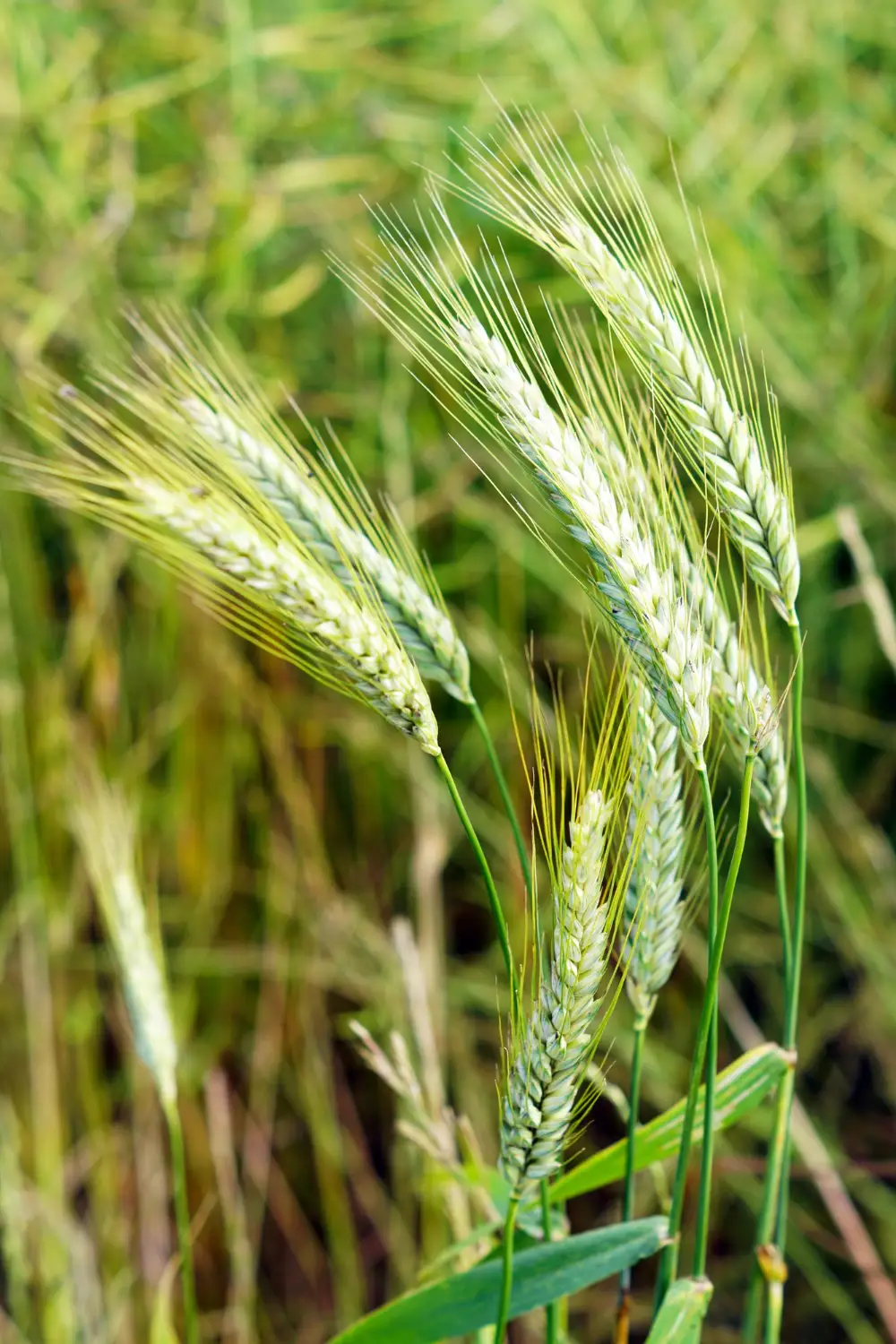
Growers plant and harvest various crops to feed communities around the world. They manage soil health and water resources to maximize their seasonal yields.
Animal Husbandry
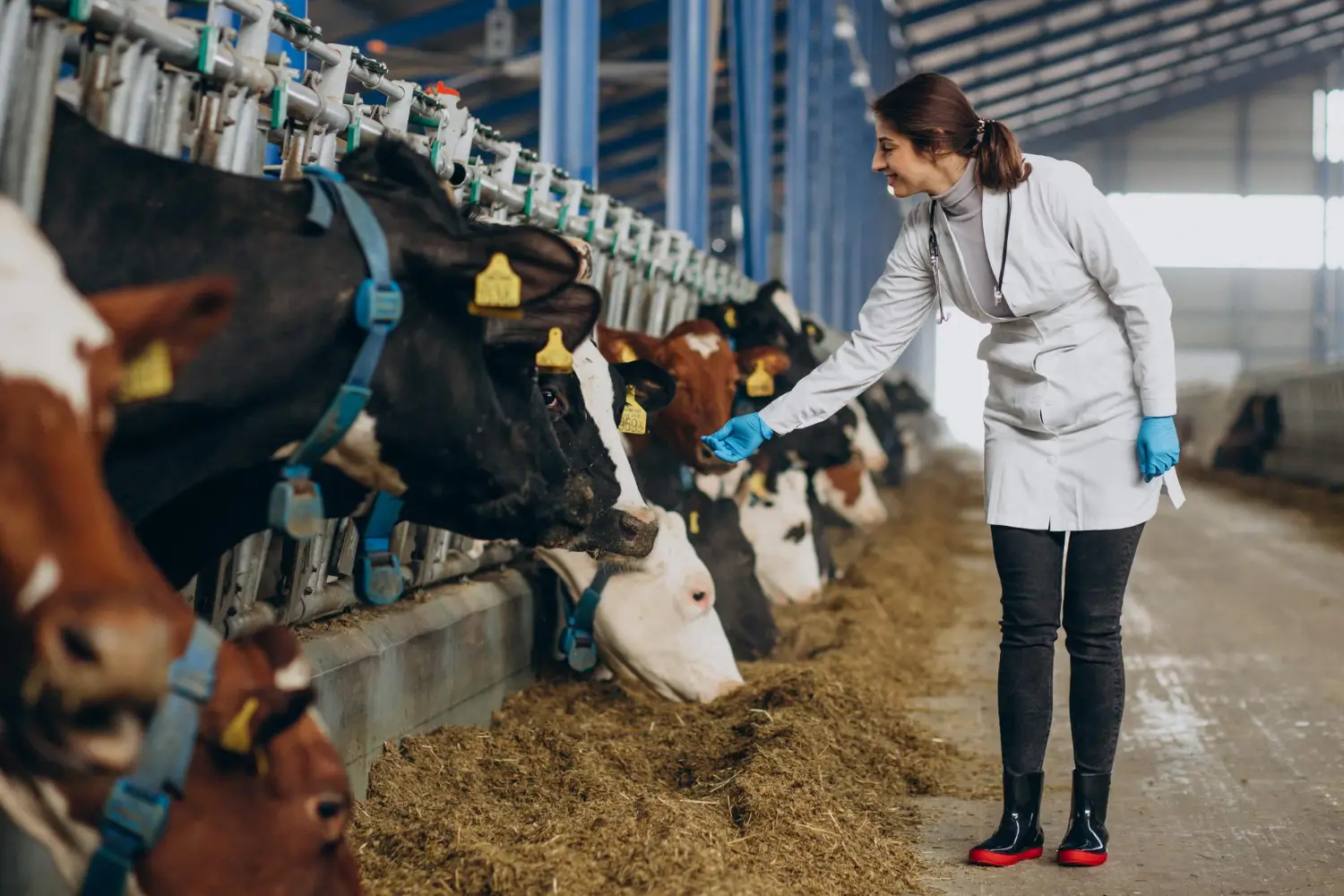
Breeders raise livestock to produce meat, milk, and wool. They monitor animal health closely and ensure proper nutrition throughout the entire year.
Agricultural Engineering
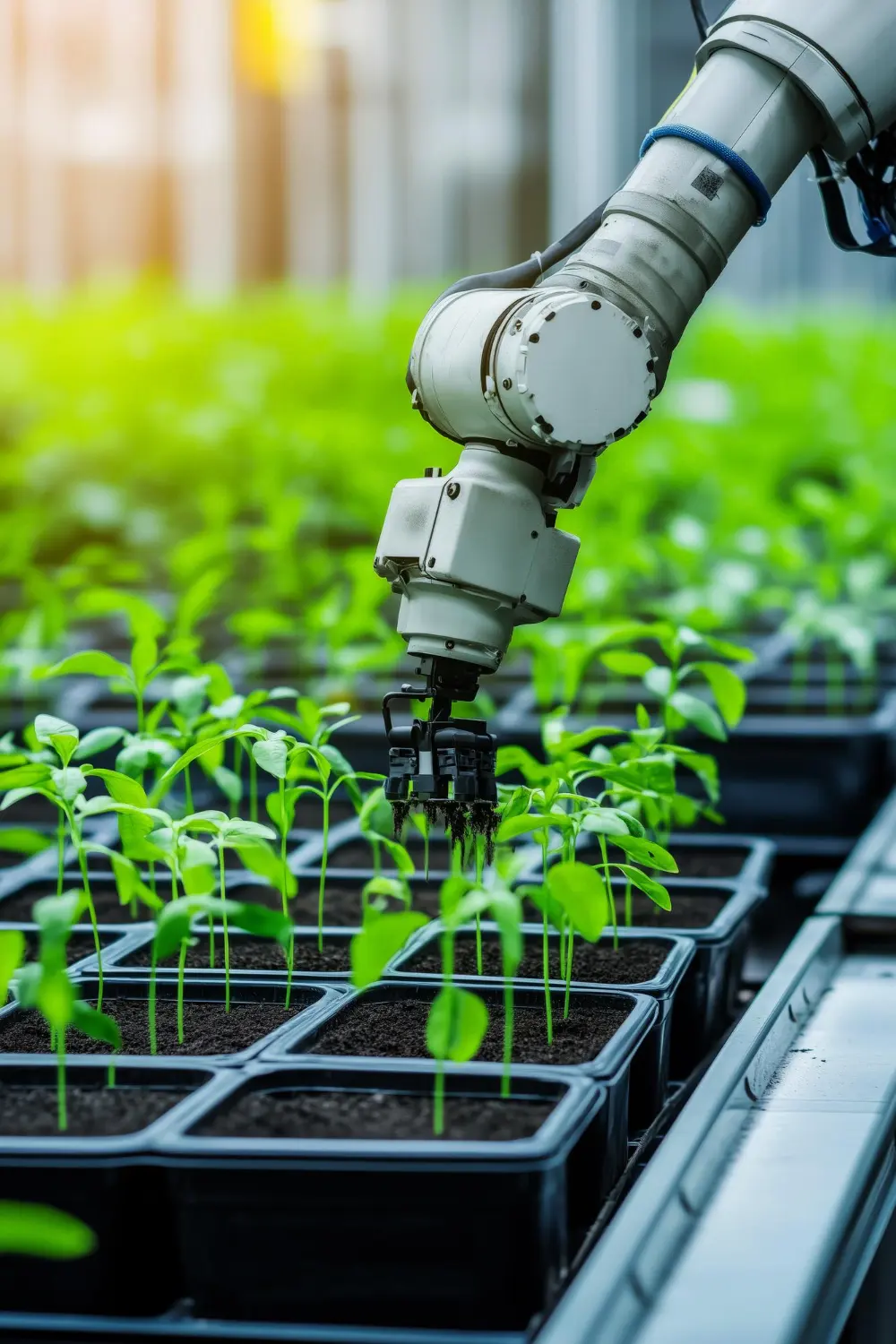
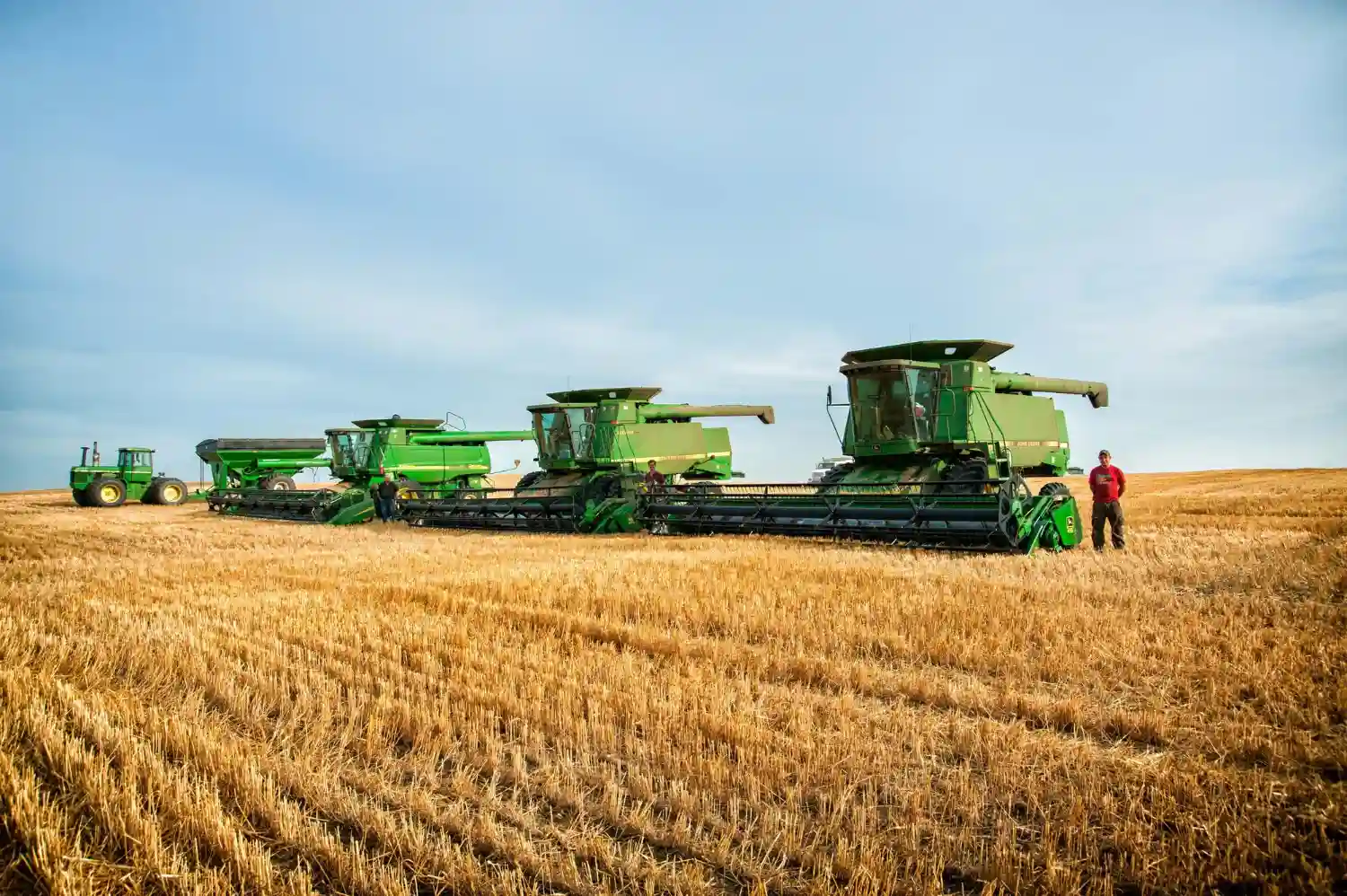
Engineers design advanced machinery to optimize heavy farm operations. They build smart irrigation systems and tractors that save valuable time and human labor.
How Farming Feeds The World
Every meal you eat starts its journey at a farm. Agricultural workers grow grains, vegetables, and fruits that eventually reach your local grocery store shelves.
Global supply chains transport these fresh products across vast distances. Trucks, trains, and ships move millions of tons of food every single day.
Students studying agronomy often research new ways to increase global food security. They test resilient seed varieties that resist extreme drought and plant disease.
Technology In Modern Farming
Today’s growers use flying drones and satellites to monitor their extensive fields. They collect massive amounts of data to make smart decisions about planting and harvesting.
Automated tractors drive themselves using highly accurate GPS systems. This precision agriculture helps farmers reduce waste and protect the local environment.
Sustainable Agricultural Practices
Environmental awareness drives many producers to adopt highly sustainable methods. They rotate crops regularly to keep the soil rich in natural nutrients.
Organic farming completely avoids synthetic pesticides and harsh chemical fertilizers. Local communities appreciate these dedicated efforts to maintain clean water and healthy ecosystems.

The Economic Impact Of Farming
Agriculture creates millions of stable jobs around the globe. Rural communities depend heavily on farming operations to sustain their local economies.
International trade relies on agricultural exports to balance national budgets. Countries buy and sell massive quantities of wheat, corn, and soybeans daily.
Financial markets track crop commodity prices closely every single morning. Weather patterns directly affect these prices and influence the final cost of your groceries.
Exploring Agronomy Education
Universities offer excellent programs for students interested in agronomy and soil science. You learn exactly how biological systems interact with unpredictable weather and land.
Laboratory experiments give you valuable hands-on experience with plant genetics. Professors teach you practical skills you can apply directly on a real working farm.
Graduates pursue rewarding careers as crop consultants or scientific researchers. They solve complex biological problems to ensure a stable food supply for future generations. With experienced writers involved, these services like https://essaypro.com/scholarship-essay-writing-service create essays that are both readable and academically rigorous.